

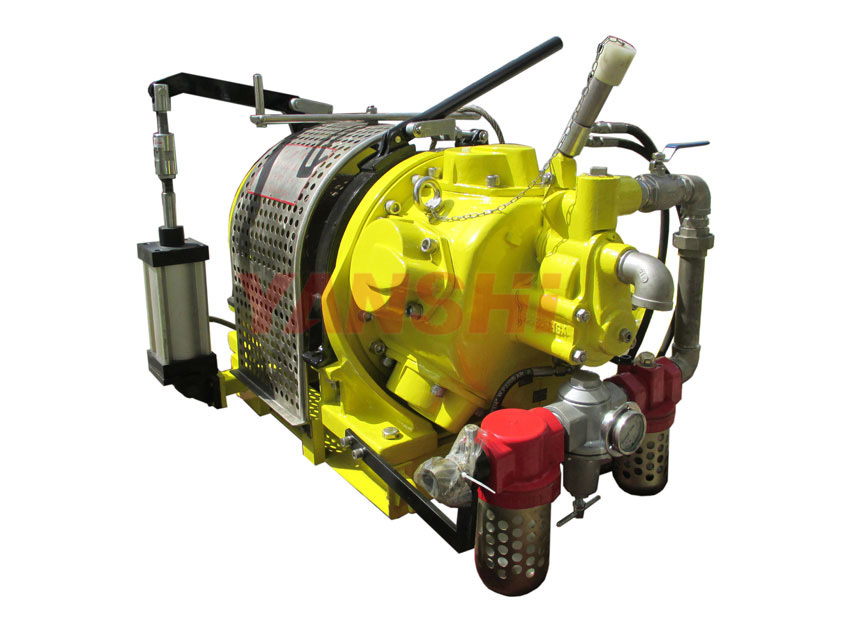
What is the structure of a pneumatic winch?
The pneumatic winch is a torsion rod installed vertically, which winds ropes under power drive but does not store ropes. The pneumatic winch refers to a hoist with a rotating shaft perpendicular to the deck. The pneumatic winch is a self-protection and towing device for vehicles and ships, capable of self-rescue and relief in harsh environments such as snow, swamps, deserts, beaches, and muddy mountain roads, and can also be used for cleaning under other conditions.
2021/10/25
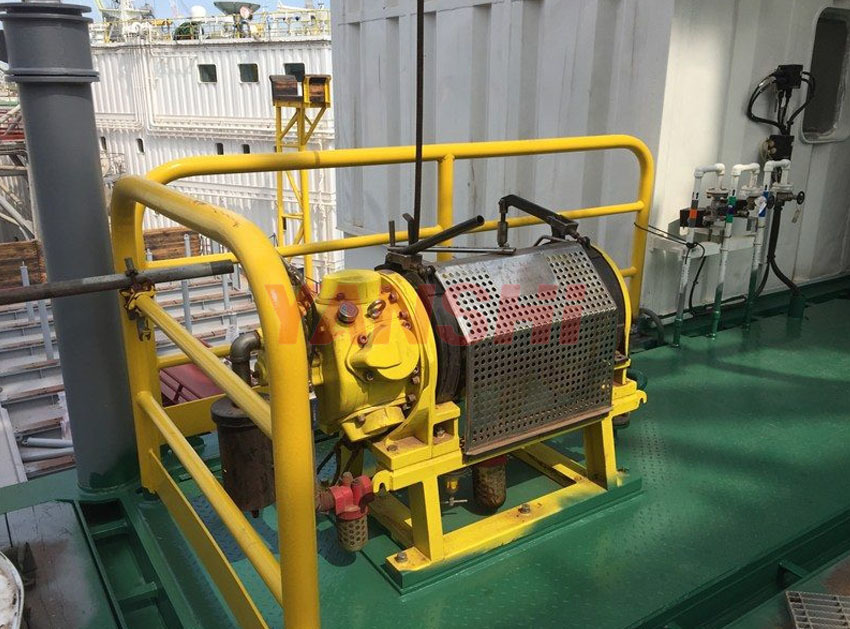
An introduction to a more adaptable pneumatic winch.
There is a type of marine pneumatic winch on the market, whose overall structure is too complex, making installation and use inconvenient. It cannot be installed or disassembled at any time, and is not suitable for various ships and the different operating environments of supporting equipment. Therefore, it is necessary to develop a new type of marine pneumatic winch to address the aforementioned issues of electric mooring winches and hydraulic mooring winches, saving energy and space.
2021/09/23

Pneumatic winch operation and maintenance procedures
Pneumatic Winch Operation and Maintenance Procedures 1. Operation Procedures for the Pneumatic Winch 1. Before operating the pneumatic winch:
2021/08/31
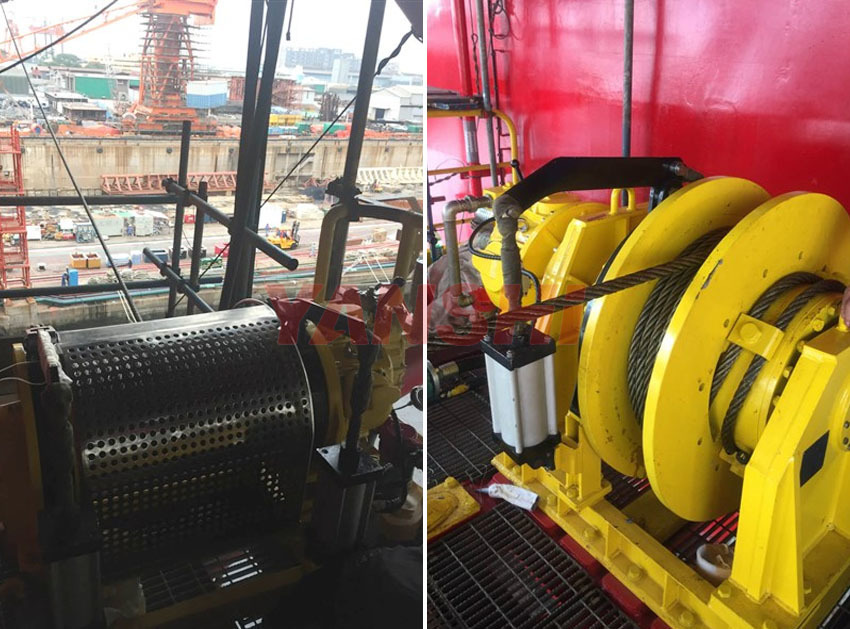
Precautions for the use of pneumatic winches and maintenance operations
The pneumatic winch is powered by a vane-type pneumatic motor, which transmits power to the drum through a planetary gear reducer to lift heavy objects. The motor and reducer are connected on both sides of the drum, making the winch compact, lightweight, structurally simple, easy to operate, and convenient to maintain, allowing for stepless speed regulation within a certain range. The braking of the pneumatic winch is achieved by an electric brake. The braking is reliable. It can be operated manually without compressed air.
2021/08/07
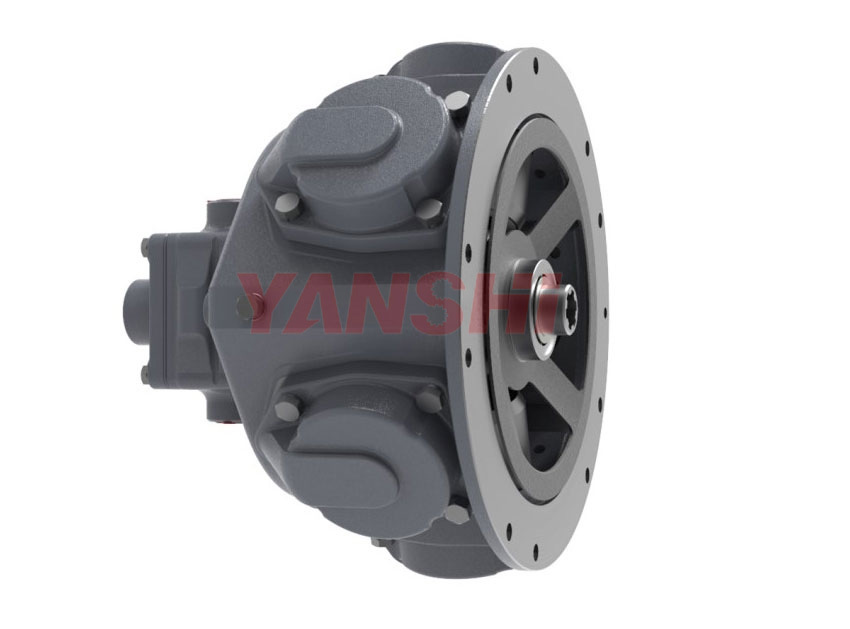
Air starter motor manufacturer: The principles and characteristics of pneumatic motors
Air Starter Motor Manufacturer: Principle of Pneumatic Motor In pneumatic transmission, the pressure energy of compressed gas is converted into mechanical energy to produce rotational motion in pneumatic actuators. The commonly used pneumatic motor is a volumetric pneumatic motor, which works by utilizing the volume change of the working chamber and is divided into vane type, piston type, and gear type. The pneumatic motor from the air starter motor manufacturer is a device that converts the pressure energy of compressed air into rotational mechanical energy. Its function is equivalent to that of an electric motor, which drives the mechanism to perform rotational motion using the output torque.
2021/08/06
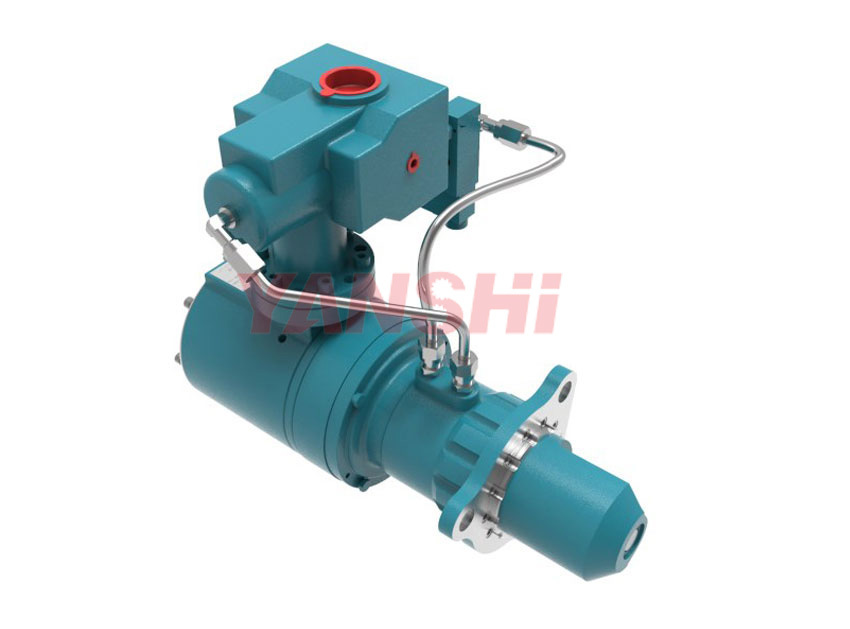
The main differences between a gas start motor and an electric motor (or motor) are: 1. Small size can produce high power. 2. High adaptability, with a smaller temperature rise, and the speed can change with the load, up to overload shutdown without causing any damage to the gas start motor, so a lower safety factor can be considered during selection.
2021/07/22

Precautions for the use of pneumatic winches and regular maintenance
Pneumatic winches are a type of winch powered by compressed gas provided by an air compressor. Compared to traditional electric winches, pneumatic winches have characteristics such as explosion-proof, dust-proof, and liquid splash-proof, making them more suitable for working in harsh environments. Therefore, pneumatic winches are widely used in industries such as shipping, oil extraction, mining, and electricity.
2021/07/07
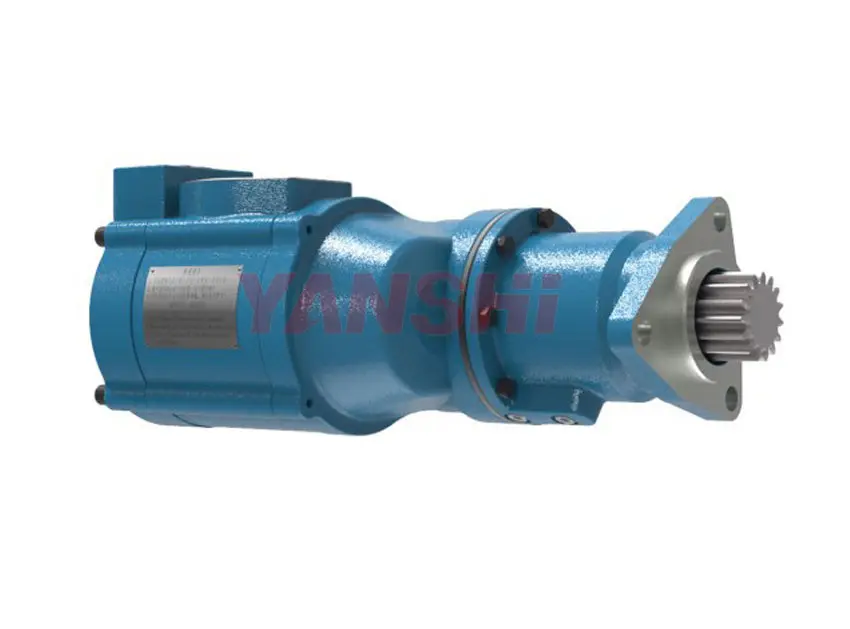
Basic characteristics of pneumatic motors
Pneumatic motors, also known as air motors, are devices that convert the pressure energy of compressed air into rotational mechanical energy. They are generally used as a rotational power source for more complex devices or machines. Pneumatic motors are classified by structure into: vane pneumatic motors, piston pneumatic motors, compact vane pneumatic motors, and compact piston pneumatic motors.
2021/06/22

