

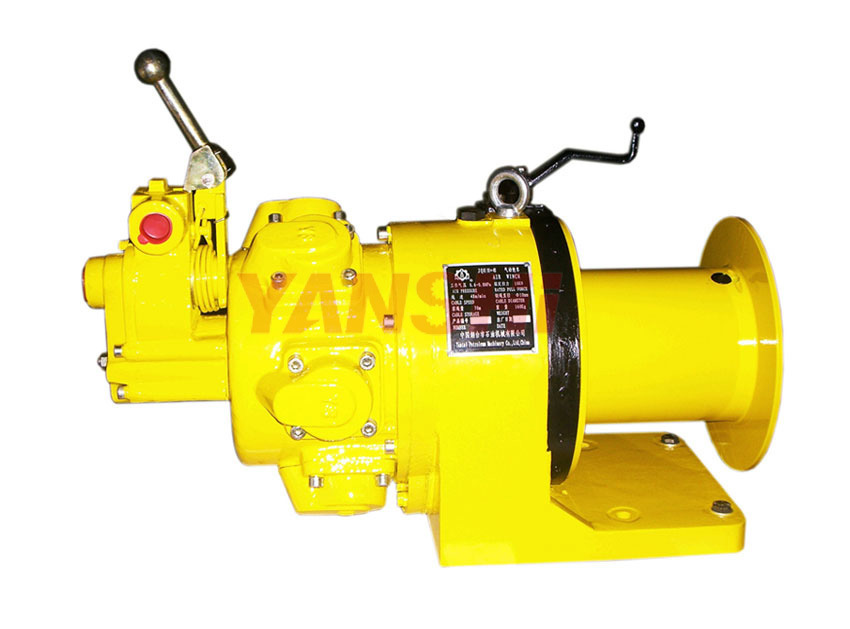
What is a dual-speed winch? What are its characteristics?
The double-speed pillar winch has two speeds: fast and slow. It is mainly used for auxiliary transportation work, such as in underground coal mining working faces, the relocation of comprehensive mining equipment and various electromechanical devices, as well as in underground excavation working faces, entering and exiting the mine, up and down slopes, surface coal mines, the transportation of mine cars, and material transportation. It is particularly suitable for thin coal seams and steeply inclined coal seam mining faces, as well as for recovering metal pillars that have sunk into the floor or been buried by gangue in various mining working faces.
2020/12/01
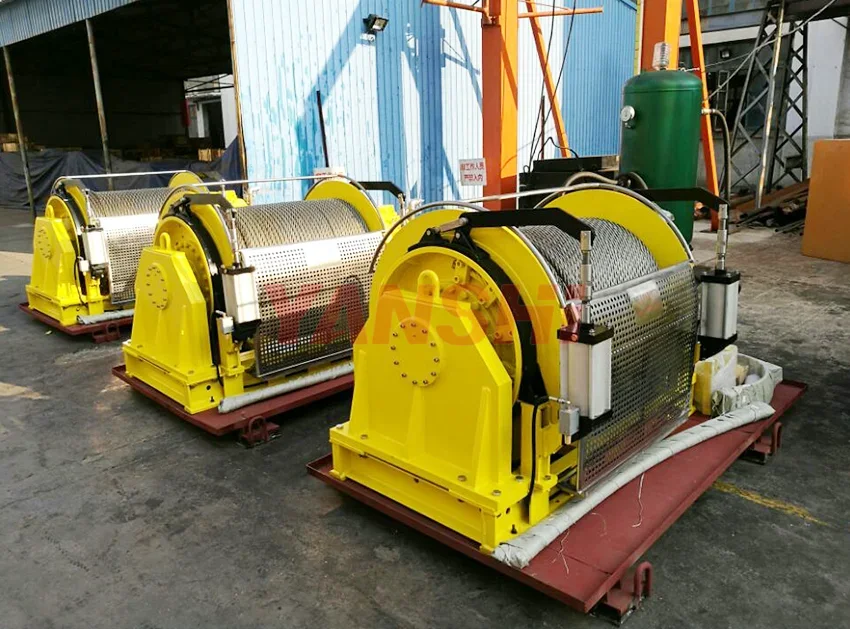
How to reduce the occurrence of accidents during winch transportation?
The winch is mainly used in underground coal mines and other coal mines to haul mine cars and perform other auxiliary handling tasks in tunnels with an inclination of less than 25 degrees. It can also be used to schedule and group mine cars at loading stations in coal mining faces and tunneling faces. Currently, the auxiliary transportation system in coal mines mainly uses winch transportation. Due to the uncontrollable hazardous factors associated with winch transportation, accidents frequently occur. An analysis of coal mine transportation incidents over the past two years shows that the causes of these incidents are primarily reflected in the chaotic handling of coal mine transportation safety.
2020/11/29
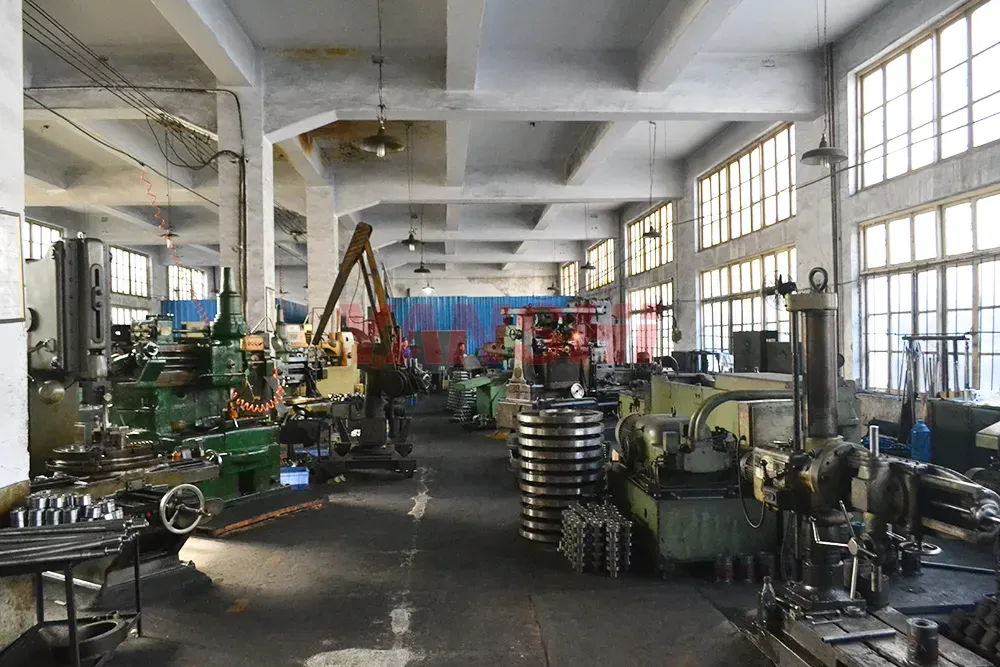
What types of winches are there? What are their characteristics?
The JD series hoisting winch is explosion-proof and is used for loading and unloading scheduling underground or on the ground, shunting, transporting in intermediate tunnels, and other auxiliary transportation. The winch uses a planetary gear drive. This winch features a compact structure, good rigidity, high efficiency, easy installation and movement, smooth start-up, flexible operation, reliable braking, and low noise. It can be used in environments with a large amount of methane or coal dust. Since the winch drum is equipped with protective devices, the entire machine is very safe and reliable to use and operate.
2020/11/27
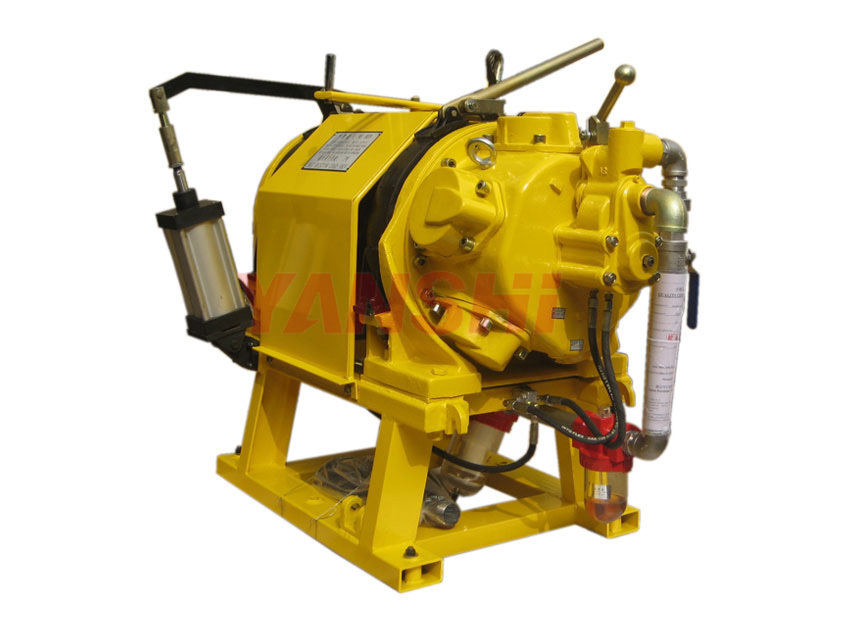
Causes of leakage in the winch sealing part and maintenance methods
During the use of the winch, due to long-term operation, the winch can cause various unexpected failures. Usually, the winch will be damaged. We will first consider the contact information for the manufacturer's maintenance scheduling for the winch. Sometimes, the distance from the winch to the manufacturer is very far, and the technicians from the pneumatic winch factory may not be able to reach the winch site within 48 hours, which can affect our work efficiency. In fact, sometimes the winch failures can be resolved by ourselves. Let me talk about the causes of leaks in the sealing parts of the pneumatic winch and the maintenance methods.
2020/11/25
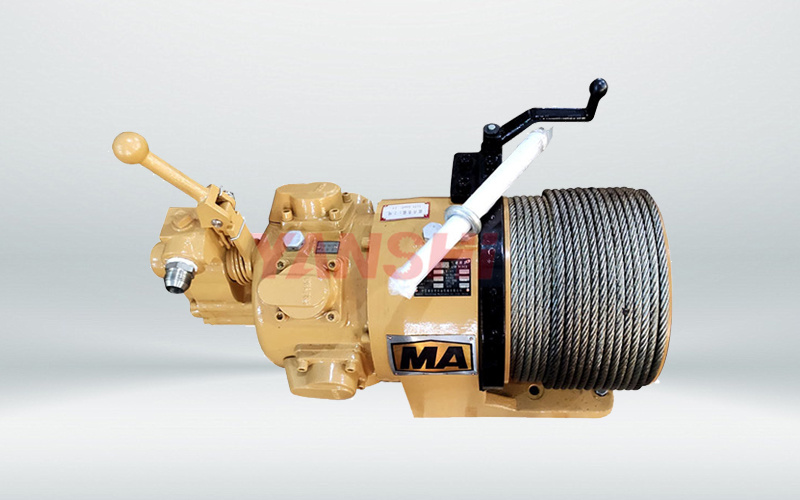
How to maintain a winch on a daily basis?
The hoisting equipment in coal mines is an important device for factories, especially suitable for heavy-duty transportation. The application of winches plays a certain role. As the name suggests, hydraulic winches are mainly used for mining operations, and they work using steel wire ropes. Because they are large equipment and used in mining, regular maintenance of the winches should be noted to reduce the occurrence of equipment failures.
2020/11/23
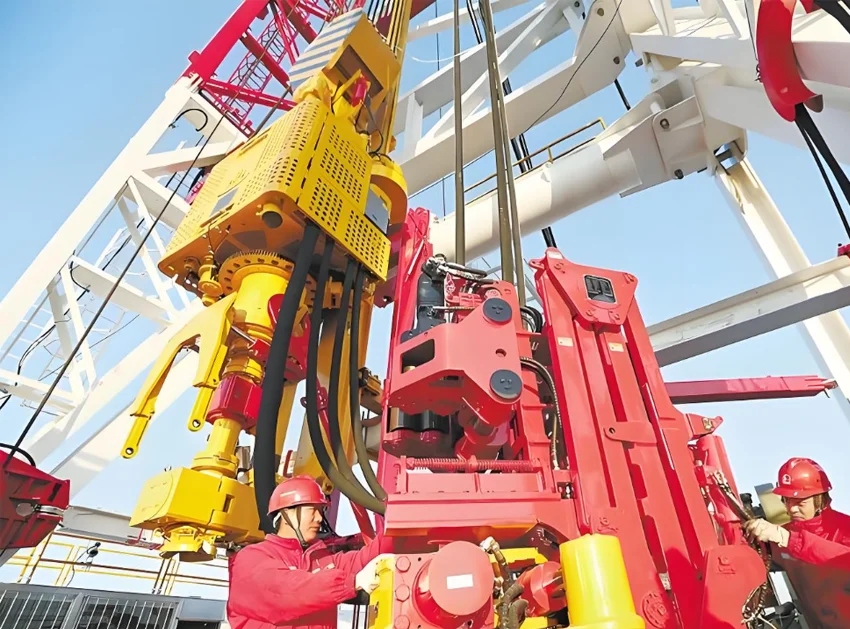
Four main methods to control pneumatic motors
We all know that by installing a pressure reducing valve at the upstream gas supply, we can also adjust the speed and torque. When low-pressure air is continuously supplied to the motor and the motor slows down, very low torque is generated on the output shaft. Today, let me summarize the four main methods for controlling pneumatic motors: 1. The compressed air supply must have sufficiently large pipes and valves to ensure the motor's maximum torque. At any time, the motor requires a supply pressure of 6 bar; if the pressure drops to 5 bar, the power will decrease, throttling the motor. 2. The air supplied to the motor must be filtered and reduced in pressure. The directional control valve needs to supply air to the motor and rotate the motor when needed. Such valves can be pneumatically controlled, electrically controlled, or mechanically controlled. 3. If the motor is not used for directional rotation, a flow control valve can be installed in the supply line to adjust the motor's speed. If the motor is used for reverse rotation, a flow control valve with an internal one-way function is needed to adjust the rotation in each direction. The valve with an internal one-way function allows air to be discharged from the motor's residual air exhaust port to the control valve's exhaust port, and then out. 4. When the motor is used in applications that do not require bi-directional rotation, using a 2/2 or 3/2 valve for control is sufficient. For motors that can rotate in reverse, a 5/3 valve or two 3/2 valves are needed to ensure the motor has a compressed air supply and residual air discharge. The above summarizes the four methods for controlling pneumatic motors. Additionally, the most common way to reduce the speed of a pneumatic motor is to install a flow control valve at the intake. When the motor uses the intake, it can also be used for the exhaust. Flow control is also used on the main exhaust port, allowing speed control in both directions. I hope this can help everyone, and friends are welcome to visit the factory.
2020/02/17
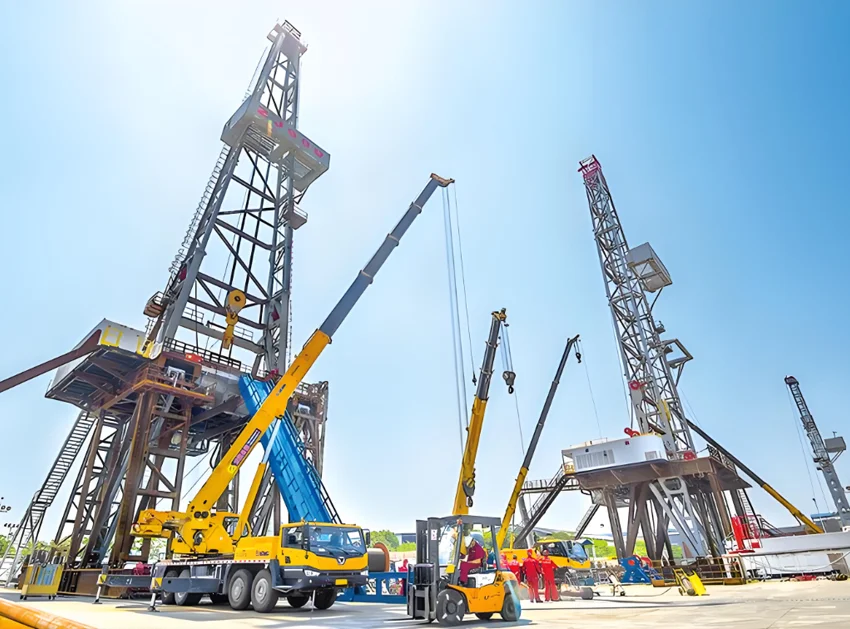
How should a pneumatic winch driver operate more standardly?
In our daily lives, pneumatic winches require professional personnel to operate. So how should pneumatic winch operators operate more规范? Let me briefly introduce it to you. 1. Pneumatic winch operators must undergo specialized training and hold a certificate after passing the examination. 2. Preparations before operation: 1. Check whether the base of the pneumatic winch is securely fixed, whether all the fastening bolts of the winch are complete and well-fixed, and check for any dangers or abnormalities around the winch and the top support. 2. Check whether the pneumatic winch's braking device is intact; the brake band must be complete without cracks, and the remaining thickness of wear must not exceed the limit. The surface of the brake wheel should be smooth and flat, without obvious grooves or oil sludge; all bolts, pins, shafts, pull rod bolts, and back caps should be complete. 3. Check the steel wire rope: it should be free of bends, hard injuries, knots, and severe rust, with a diameter that meets the requirements, and broken wires should not exceed the limit. The rope should be neatly arranged on the drum, without severe rope biting or climbing; the length of the wound rope should not exceed the allowed rope capacity; the hook head and protective rope should be intact. 4. Check whether the air pipe is intact and free of air leaks, and check whether the lubricating oil is sufficient (add about 2 liters of No. 46 air compressor oil inside the motor shell, and add 0.5 liters of lubricating oil in the oil mist device), adjust the needle valve of the oil mist device to ensure that the oil supply is 10 to 15 drops per minute under rated working conditions; check whether the air pressure is sufficient. 5. Check that the signal device is intact and has no failures; the signal must have both sound and light, with clear and accurate sound. 6. If any problems are found during the above checks, they must be dealt with immediately before starting the operation. 3. Starting the operation: 1. Turn the clutch handle to the "engaged" position. 2. Operate the distribution valve handle according to the arrow markings; pulling inward is for lifting, pushing outward is for lowering. 3. First, run the machine idly for a few minutes to check whether the braking mechanism is reliable and whether there are any abnormal sounds. 4. After confirming that there are no abnormalities, send out the starting signal. When a clear and accurate response signal is heard, operate the distribution valve to run in the lifting direction. 5. During the operation of the pneumatic winch, the operator should concentrate, pay attention to signals, and observe the steel wire rope. If an unclear signal is received, the operator should stop immediately to investigate the cause. 6. The operator must not chat with others during the operation of the pneumatic winch. 7. If any of the following situations are found during operation, the machine must be stopped immediately, and measures should be taken to address the issue before resuming operation: a. The steel wire rope is abnormally bouncing, the load increases, or suddenly loosens; b. There is a significant air leak at the joint surface of the cylinder cover and the joint surface of the housing and distribution valve; c. There are abnormal sounds, smells, or conditions; d. There are other dangerous situations; e. The fixed winch support or foundation is loose; f. There is severe rope biting or climbing. 4. Stopping: 1. As you approach the stopping position, turn the distribution valve handle to the middle position, and then operate the braking system to stop. The operator should stop accurately, strictly prohibiting over-winding or stopping in the wrong position. In special circumstances, if an emergency stop is needed, the distribution valve handle and braking system can be operated simultaneously. 2. When the pneumatic winch is stopped for a long time or the operator leaves the post, the intake valve must be closed. 3. During the handover, the dust and debris on the pneumatic winch should be cleaned, and the operation and maintenance situation of the winch during this shift should be clearly communicated to the next shift. The above is a brief introduction to the correct operation of pneumatic winch operators, hoping to be helpful to everyone. Friends are welcome to leave messages for consultation.
2020/02/17
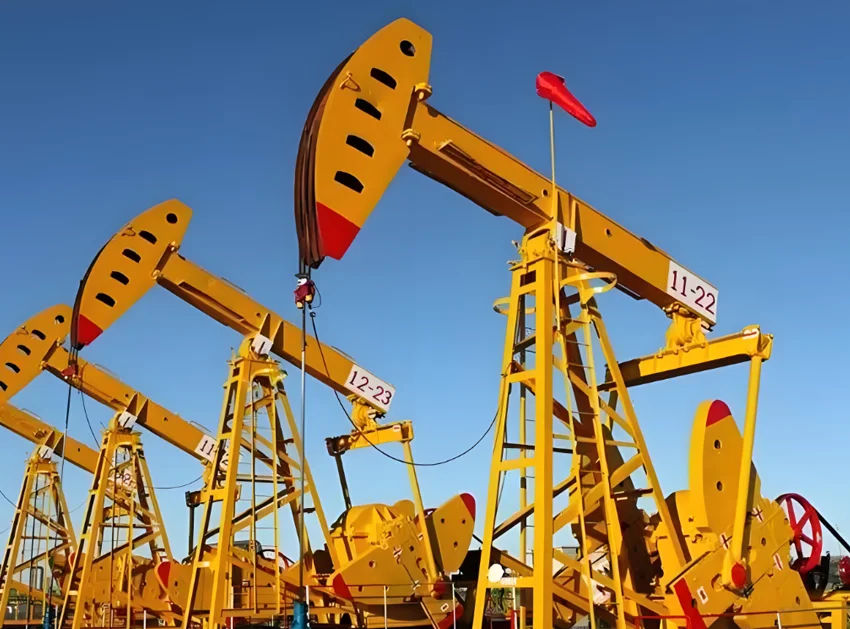
Key considerations when using pneumatic motors
1. Fluid used: Air 2. Fixed pressure: 6kg/cm² 3. Maximum operating pressure: 7kg/cm² 4. Ambient temperature: 0~80℃ 5. Lubricating oil: Clean 30" machine oil is required. 6. Continuous use: Possible (but not at high speed) 7. Recommended operating speed: Below maximum speed × 0.8. A. If the stirring shaft and stirring blades of the pneumatic motor mixer are not concentric, it can cause poor operation or failure. B. The main cause of failure in pneumatic motors is the entry of water vapor or dust; before piping, compressed air must be used to clean the inside of the pipes, and care must be taken to ensure that cutting powder, sealing tape fragments, dust, or rust do not enter the air pipe. C. Auxiliary machinery for pneumatic motors (air filters, air regulators, air lubricators, flow valves, etc.) should be installed as close to the pneumatic motor as possible. D. Air supply lines must be equipped with air filters, dryers, air lubricators, etc. (Lubricating oil should be clean 30" machine oil, supplying 1-2 drops per minute). E. If air pressure is supplied directly, there may be fluctuations in pressure, making it impossible to obtain stable horsepower, torque, or RPM; therefore, an air pressure regulator must be used. F. The diameter of the air pressure machinery (air filters, air regulators, air lubricators, control valves, etc.) must match the air consumption of the pneumatic motor. G. The control and stability of the pneumatic motor's speed must be adjusted from the air supply side; this way, there will be no back pressure on the exhaust side. H. During trial operation, use the air regulator to slowly increase the RPM to the required level; prolonged high-speed operation can damage the pneumatic motor and reduce its lifespan. Pay attention to using the correct pressure. During maintenance checks, it is important to note: A. The air lubricator on the air supply line must also be checked regularly; if it has decreased, it should be replenished.
2019/09/19

